
How Image Licensing Works and Why Photographers Charge for It
“What is image licensing?”
Image Licensing is a way of assigning value to images. It goes beyond “5 images = $X” scenarios. It is meant to be advantageous to both the client and the photographer. It gives both client and photographer permission to use photos and/or video for certain purposes.

Client: FRANKiE4 Australia
Architect: JPC Architects
Photographer: Erik Sven Photography
“So, what’s all this stuff on my invoice?”
A commercial photography invoice can have a bunch of different costs, but we’re going to focus mainly on creative fee and licensing. The majority of photography invoices contains those two line items. We’ll save pre-production, casting, styling, talent, etc. for another conversation.
The first and most common is the creative fee or day rate. That’s the easy-to-understand one. That covers the hours of photography and/or video on the day of the photoshoot.
It is generally known as the cost of producing the work.
However, if it’s a complex project you will find line items for each different aspect of the shoot: scouting fee, day rate, post processing, extra retouching fees, drone, gear rental, transportation, lodging, meals, file storage, etc.
The second is the licensing. The license spells out the usage of finished images, defined by where they run, for how long, and in what context.
The creative fee is the same whether the photographs live quietly in a portfolio or run as a national campaign. The license is not, and it should not be.
“I paid for the images. Doesn’t that mean I own them to do whatever I want with them?”
Nope.
Licensing sets the terms on when, where, what, and how images can be used by the client and photographer. Licensing serves both the client and the photographer.
When you start to realize the value that photography and video can bring to a brand it starts to make more sense. Huge corporations know the value of advertising, brand recognition, and social media imagery. That’s why they collectively spend billions on licensing it each year.
“How does licensing benefit the client?”
The client gains many benefits from image, or usage, licensing.
It can be used to make sure the photographer does not use the images in a way that could be detrimental to the brand or project. It can also be used to prevent competitors from purchasing the same imagery if a client chooses an “exclusivity” package.
Furthermore, licensing is flexible and cost effective. It can be used for scaleability. Small companies can choose to license an image for only a short amount of time to save money. After experiencing some growth they can choose to re-license that photography or start fresh with a new photoshoot.
Perhaps more interesting, companies can license images that already exist. Yes. Stock imagery was known for being corny, but times have changed. Now there is really great work out there that can be licensed without having to pay creative fees or worry about logistics.
At the very heart of it all, licensing shows proof of permission to use imagery and protects the client from claims of copyright infringement.
“So how does any of this benefit the photographer?”
It protects the intellectual property and brand perception of the photographer. Licensing terms often stipulate that clients are not allowed to crop, alter, or otherwise change photographs without prior written consent of the photographer. It happens far too often that somebody makes a change to an image and then attributes the photographer. Misrepresentation of a photographers quality or style can be detrimental to the brand.
Interestingly, licensing can create layered revenue streams for photographers. For example, a photographer can choose to license an image to both a Banh Mi food truck in Seattle while also licensing an image from the same shoot to a Vietnamese restaurant in Orlando, Florida. The two clients are in no way competing, and the photographer is able to improve business. This is an example of regional usage licensing and is covered more in-depth lower in this article. This example can be extrapolated into interiors, furniture, travel, hospitality, etc.
What I like most about licensing as a photographer is my copyright protection. It prevents my images from appearing in places detrimental to my brand. It also prevents my clients from sharing or selling my images to other parties. Ownership remains with me as long as I maintain copyright.
Copyright transfer is another option and is discussed more down below.

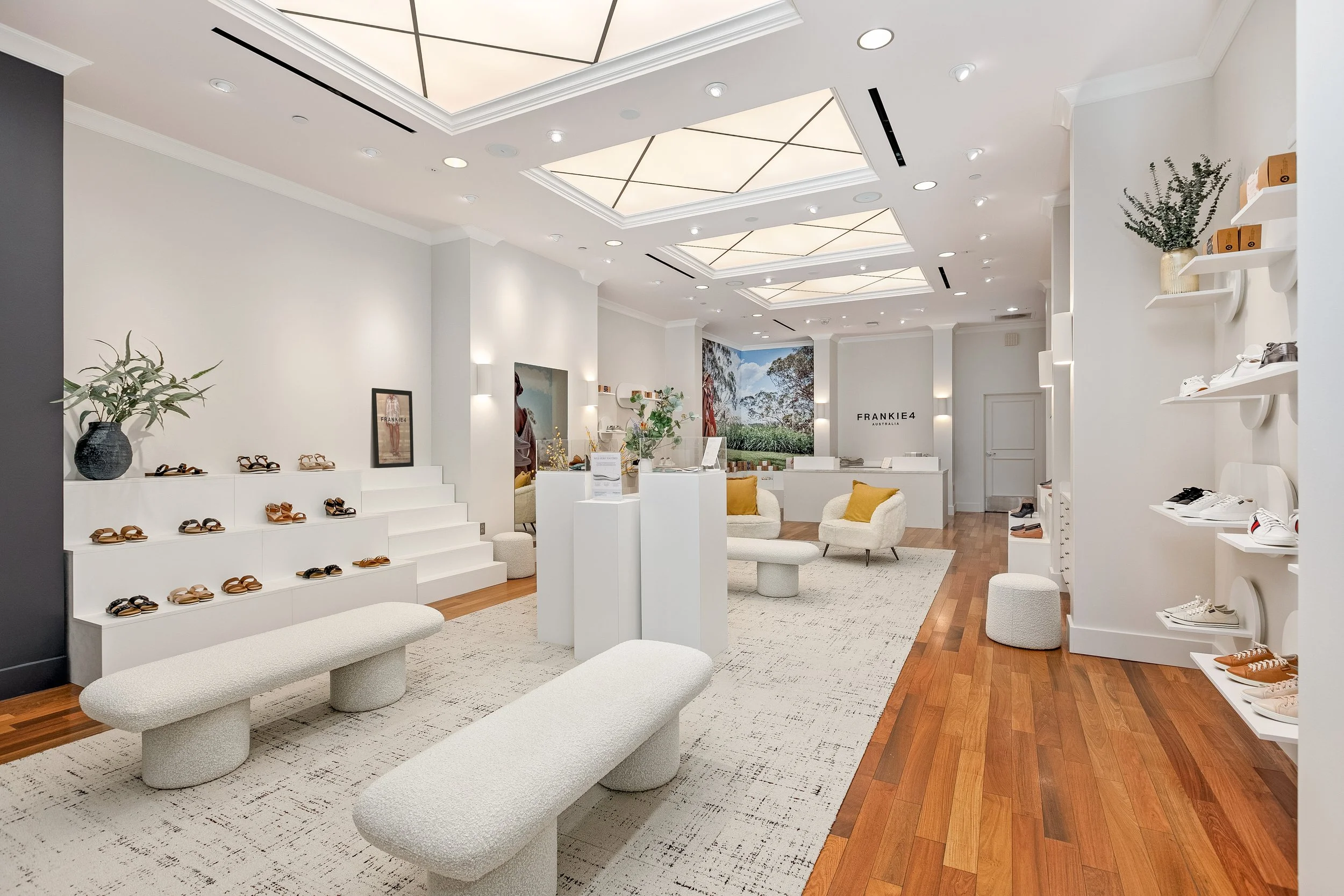
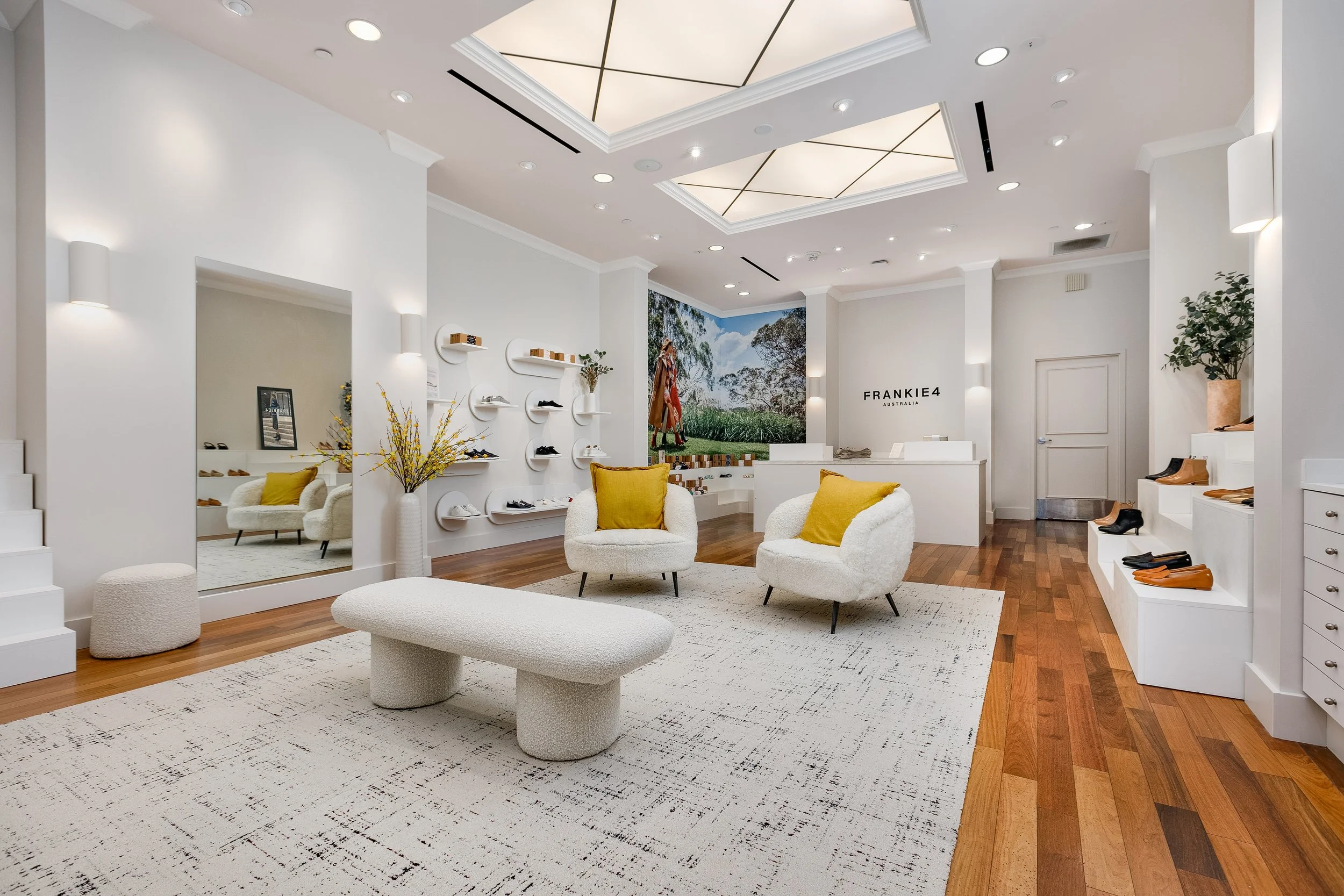



Client: FRANKiE4 Australia
Architect: JPC Architects
Photographer: Erik Sven Photography
“Can you give me an example of licensing?”
Remember that earlier I mentioned licensing is a way of assigning value to images? Consider this.
Imagine an interior designer has just finished a residential bathroom concept for a homeowner in Seattle.
Now imagine that same interior designer has just finished designing a restroom concept for a large restaurant chain. The chain will use those designs in over 100 locations throughout the region.
The designer would of course charge more for the restaurant chain than the homeowner. But why?
It’s because of the value of the concept. The value brought to an entire chain of restaurants is worth far more than the value a design brings to one home. The restaurant can repeat the design throughout many locations and gain value at each touch point. This is true even if designing the restaurant concept took less time than the residential bathroom.
In this example, licensing is used to prescribe value when hours spent do not directly equal value created.
Another way to illustrate this concept is amateur vs veteran. What may take an amateur several days may only take a veteran a few hours. The work produced by the veteran is also likely to bring much more value to the client than the amateur’s work even though it was produced in far less time.
The same logic applies to architects, plumbers, and photographers. Hours spent do not always accurately reflect the total value the client is receiving.
“How does ownership and copyright work?
The photographer retains ownership. It is the standard arrangement in commissioned commercial photography and the default under United States copyright law unless a contract says otherwise. You receive a written license that specifies exactly what you can do with the images.
That does not work against you. It protects both your brand and wallet as well as that of the photographer’s.
“So what does a license contain?”
A commercial photography license spells out what, when, how, and where an image can be used. The reason for this is that each one of these questions either adds or subtracts value from the images the client is receiving. This is about assigning a value to the images that fairly compensates the photographer in context relative to the client’s benefit.
What: Clients need to know exactly what they are licensing. This is where you’ll see the number of images, the type of media, etc. It may be something like “front, side and back angle of product” or it may single out one hero image. It may also specify iterations. For example, a video license may include a 10 sec, 20 sec, or long-form spot.
When: The terms may state that the images can be used for 2 months, 2 years, or forever. Time periods can be reviewed and revised to meet the needs of the client. Promotional periods may get a cheaper licensing deal because of their limited time frame. On the other hand, a product that will exist for a long period of time and make $Bs for a company would have more value. They would also have a more expensive license.
How: Licenses also set the rules on how an image can be used. Web, print, social, billboards, trade shows, etc. This covers a wide range of usages: transit wraps, mailers, paid social ads, corporate decoration, magazines, organic social, company presentations, window displays, or e-commerce. The list goes on, and each usage brings a corresponding amount of value to both the client and the photographer.
Where: Think geographical. Think markets. A photo running only in Amsterdam is likely to create less value for a client than a photo running throughout the entirety of Europe. Therefore, a smaller geographic region, or a smaller market, results in a cheaper image usage license.
Summed up: Together, all of these determine the value of the license. In short, the more a company benefits from a photoshoot the more the licensing will cost. Companies understand this and plan for it regularly. They also understand that licensing from an established photographer is a way to build trust among all parties.
“What if I want to own the images outright?”
An exclusivity license or copyright transfer is sometimes required by a client when image usage needs to be strictly controlled.
Photographers make money in many ways. One of those ways is licensing images to other parties. For example, if I photograph a restaurant for a hospitality group I come home with a certain set of images. As a business, it would be in my best interest to reach out to the food supplier, architect, developer, tile company, interior designer, and anybody else involved in the project to see if they would like to license images for their use. This is an avenue that photographers have been using for a long time to make the most of each photoshoot.
An exclusivity license keeps usage strictly reserved for the named party. This type of licensing is more expensive, because it eliminates an income stream from the photographer’s repertoire. These licenses can expire or remain in perpetuity. They can stipulate whether or not the photographer can maintain portfolio or social media usage. The benefit for the client in this situation is protection.
A copyright transfer is the ultimate transfer of intellectual property ownership from the photographer to the client. It is the most expensive option for the client. Not only does it remove the ability of the photographer to make any more money from their work, but it now allows the new owner to license out that work to others. In theory, this could allow a company to acquire your images and sell them to a big-box store. The photographer is out of the picture and no longer has rights to royalties or photo credit.
“Erik, you’re so helpful. Anything else to consider?”
Photography is one of the few marketing expenses that does not depreciate on a schedule. A well made set of images for a completed building will still be working five and ten years out, in submissions, in press placements, in pitches for the next project. The license is what keeps that asset available and valuable to you.
If you have a project coming up and are not sure what license it needs, tell me where the images are likely to run. That conversation takes about five minutes, and it often saves money.
